
Edison, Tesla, and the War for Electrical Infrastructure
When people look at modern power grids, we take the marriage of alternating current (AC) and direct current (DC) for granted. Your laptop runs on DC, yet the wall outlet delivers AC.
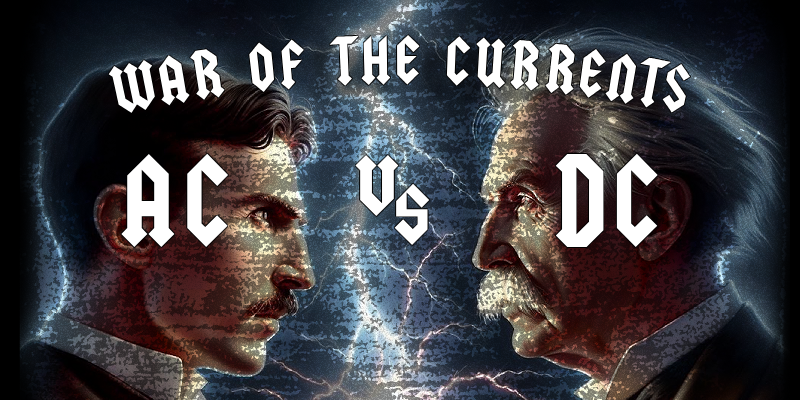
But in the late 1880s, the electrical industry was locked in a brutal, vendor-agnostic street fight known as The Battle of the Currents. It pitted Thomas Edison’s Direct Current against Nikola Tesla’s Alternating Current.
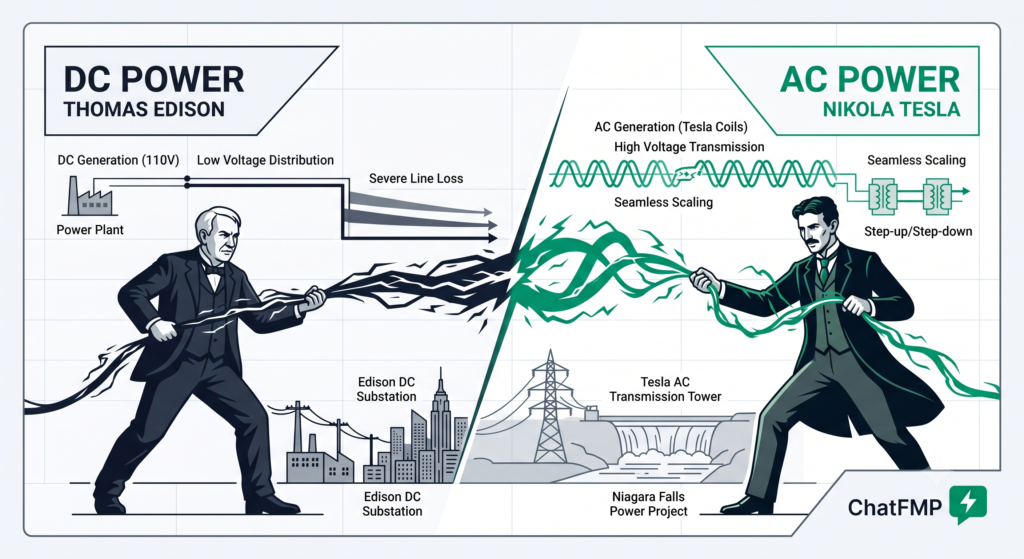
It wasn’t just a clash of brilliant minds; it was a foundational war over infrastructure efficiency, line losses, and safety metrics.
The Incumbent: Edison’s Low-Voltage DC
Thomas Edison got to the market first. His commercial electrical grid relied on low-voltage Direct Current running at roughly 110V.
Edison’s design had a massive advantage: it was simple, safe for its time, and integrated perfectly with his newly invented incandescent light bulbs. But it hit a hard wall of physics: line loss.
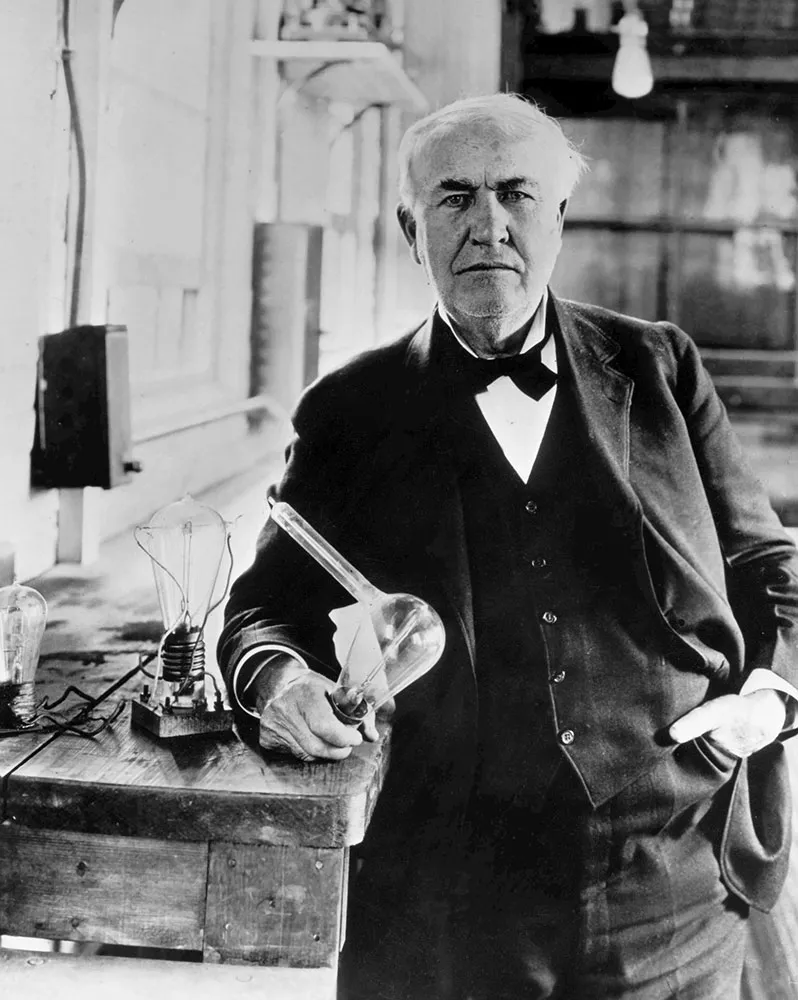
Thomas Edison
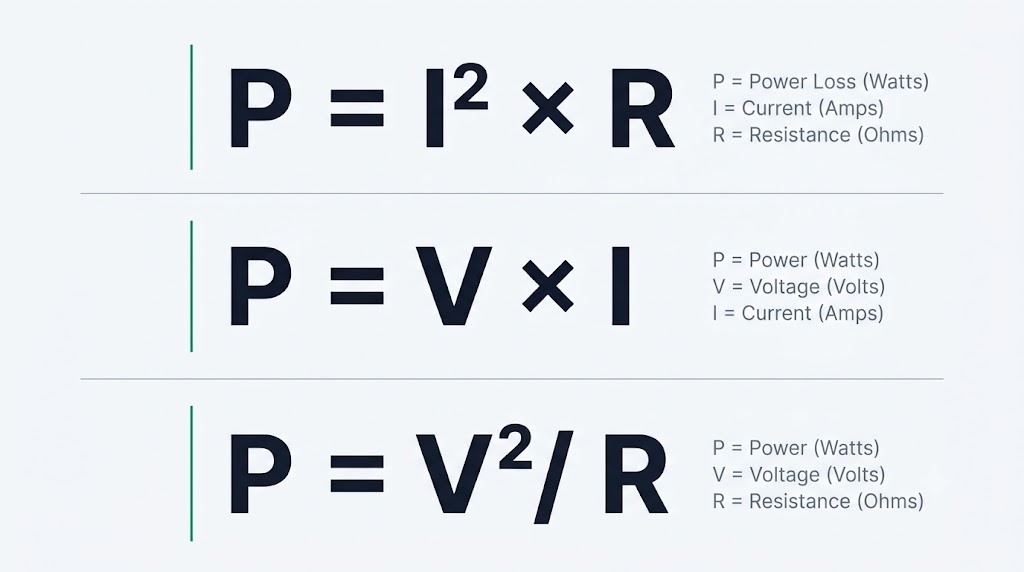
Ohm’s Law
Because Edison could not easily step up his DC voltage to higher levels, delivering large amounts of power (P) meant he had to push massive amounts of current (I) through the copper wires. As the equation shows, power loss scales with the square of the current.
The result? Edison’s grid suffered devastating voltage drops. He couldn’t efficiently deliver electricity more than one mile from his generation plants without the copper lines becoming as thick as a human arm. His infrastructure model required a smoking, coal-fired power plant built on literally every city block.
The Challenger: Tesla’s High-Voltage AC
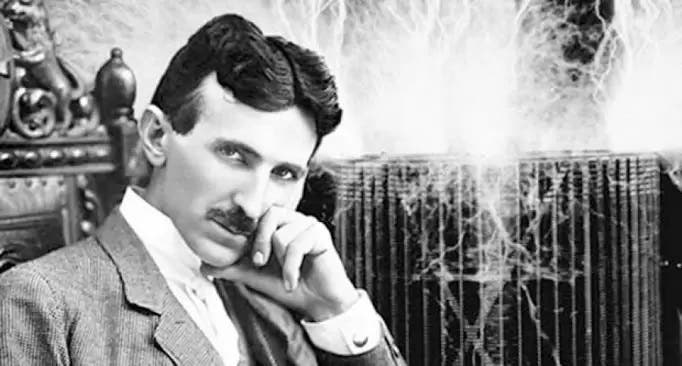
Nikola Tesla
Enter Nikola Tesla and his business partner, George Westinghouse. Tesla realized that the secret to beating line loss was to manipulate the voltage. By using transformers, Tesla could easily step alternating current up to thousands of volts for long-distance transport, and step it back down to a safe threshold at the customer’s property.
By skyrocketing the Voltage (V), Tesla drastically lowered the current needed to deliver the same amount of total power.
Suddenly, a single power plant at Niagara Falls could light up the entire northeast. Tesla’s infrastructure was less expensive, infinitely more scalable, and superior for long-distance transmission.
The Muddy Propaganda War
Realizing he was losing the engineering war, Edison pivoted to a aggressive public relations campaign focused entirely on one variable: safety.
Because Tesla’s AC relied on high voltages, Edison set out to prove it was inherently lethal. He famously financed public demonstrations electrocuting stray animals, and even secretly backed the invention of the electric chair, even so far as proposing that the execution process be called getting “Westinghouse’s alternating current.”
Edison argued that high-voltage AC was a fundamentally unmanageable fault hazard. Tesla, ever the showman, countered by passing high-frequency AC through his own body to light lamps, proving that with proper design, the current could be tamed.
The Verdict and the Modern Pivot
Tesla won.
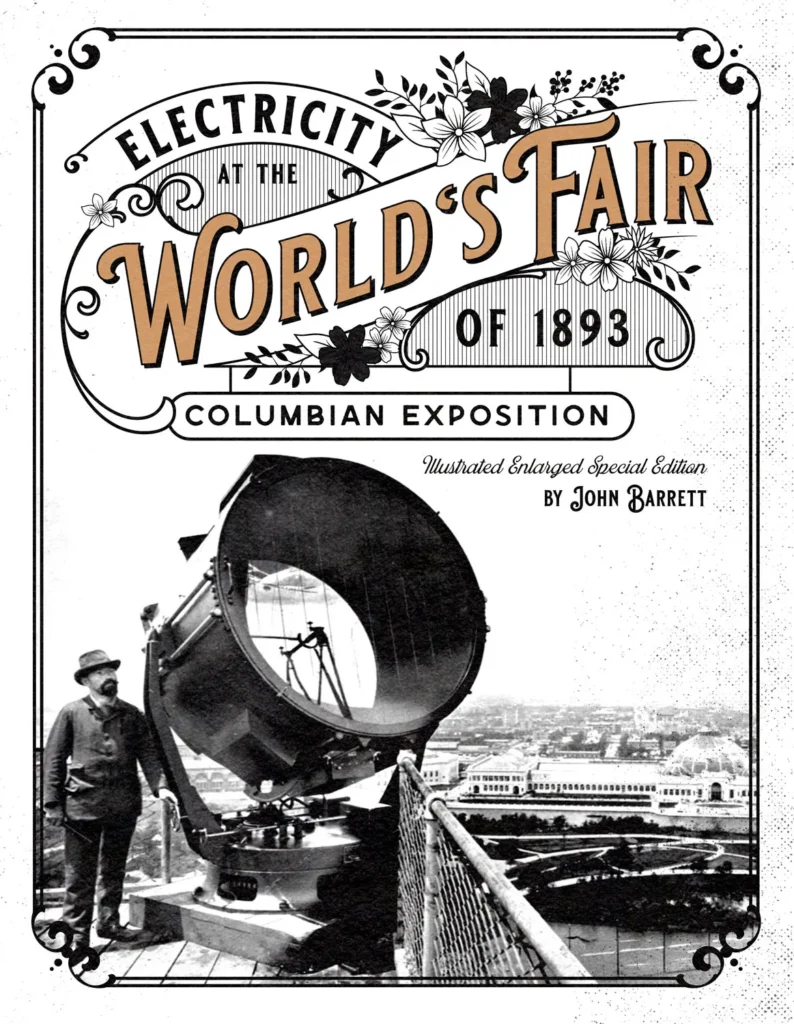
In 1893 at the World’s Fair in Chicago, the Niagara Falls power project cemented AC as the standard architecture for the 20th century. Direct current was relegated to localized batteries and small electronics.
But history has a funny way of repeating itself…
Today, our massive data centers, industrial complexes, and smart buildings are facing a massive resurgence of DC architectures. Why? Because LED lighting, variable-frequency HVAC drives, and server racks all natively run on DC. Constantly converting AC to DC wastes immense amounts of energy as heat.
Edison’s dream of DC power distribution is back! But it still faces the exact same safety and fault issues he couldn’t solve in 1890.
That is precisely why the industry is transitioning to Class 4 Fault Managed Power Systems (FMPS). By safely delivering higher-voltage DC, we finally get Edison’s native DC efficiency paired with a touch-safe safety protocol Tesla would admire.
The war isn’t over; electricity is just finally getting smart.